
This Is the Work of Winter
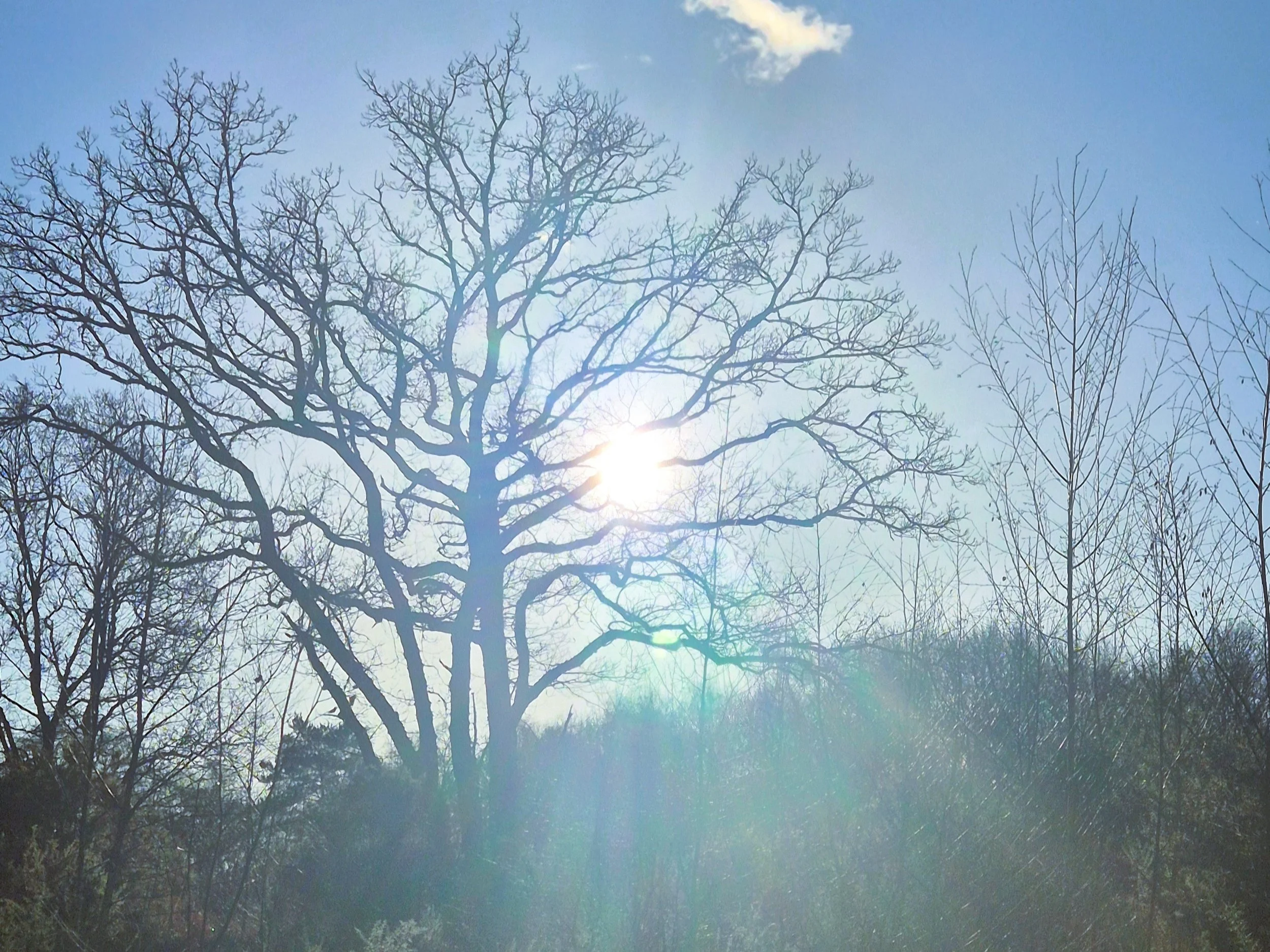
I find January has a funny energy.
One minute you’re crawling over the finish line of December: tired, overspent, emotionally wrung out, and the next, the world seems to be shouting:
New year. New goals. Make this your best year yet.
It can be jarring.
For so many of us, the run-up to the holidays is often a full-body sprint.
Work deadlines. Family logistics. Caring roles. Expectations you didn’t consciously agree to but somehow absorbed and did your best to live up to.
So many women I work with describe it as a kind of hurtling pace.
Lists on lists. Holding everything together. Carrying the bulk of the mental load, all the while trying to make it all look effortless.
By the time the decorations come down, we’re spent. Even if it was wonderful. Even if the dinner was delicious, the presents gratefully received, the family feuds avoided, what’s left is often a sense of depletion. Emotionally. Mentally. Physically. Financially.
And then, before you’ve even caught your breath, January arrives with its demand for reinvention.
Maybe January isn’t the time to demand more of yourself
In nature, winter is the season where the structure of the landscape becomes clearer, without the riot of colour or lushness of other seasons. It’s a chance to see things more clearly, if you take a moment to pause. To look. To listen.
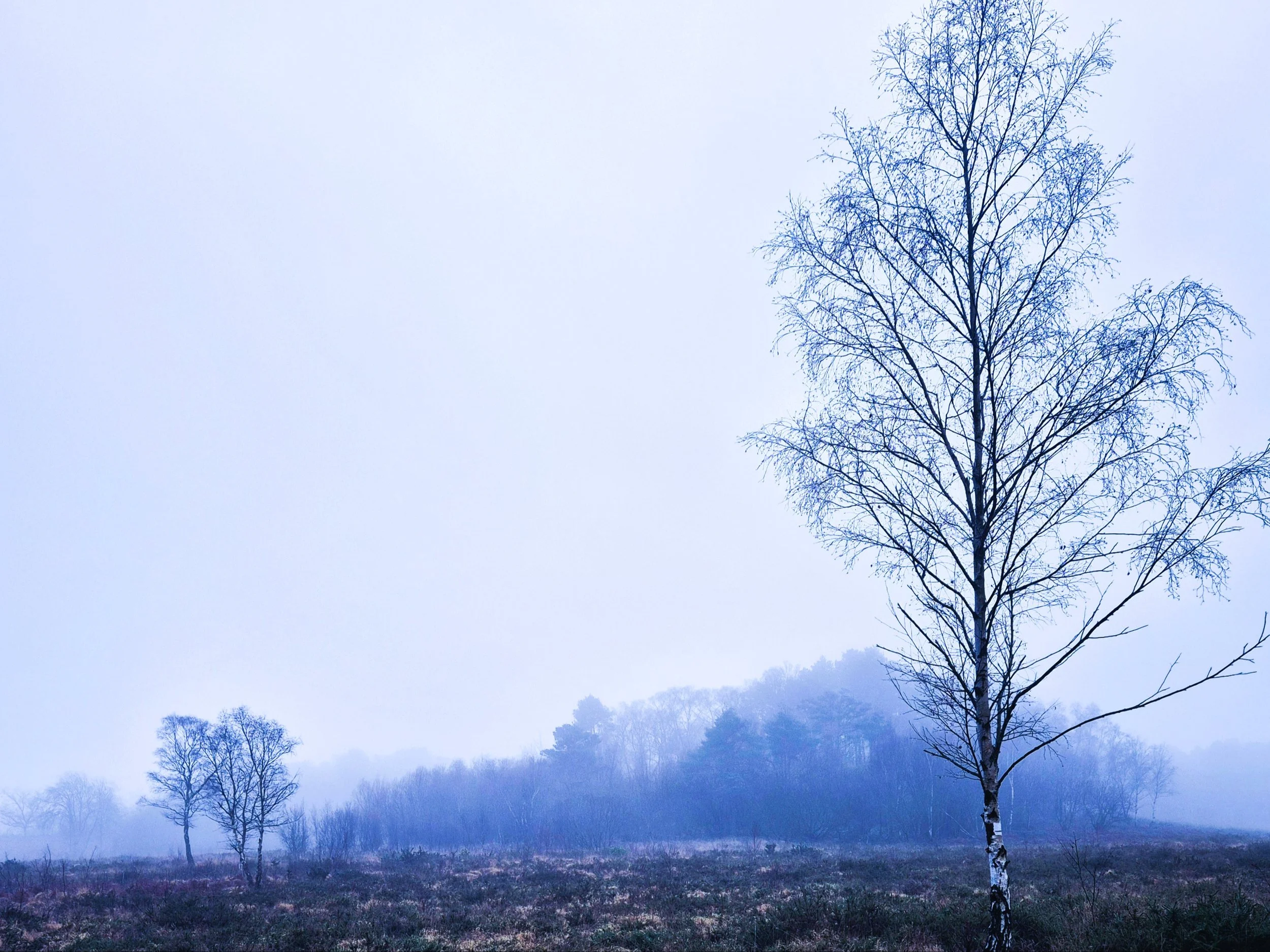
Nothing looks like it’s happening on the surface.
Trees are bare. The ground is cold.
Growth seems absent.
And yet, underneath, roots are strengthening.
Energy is being conserved.
Conditions are being prepared.
I like to think of this time of year in the same way.
Once the busyness of the holiday season passes and the pressure of the New Year's energy recedes, the cold light of January can reveal something if we let it in.
Space.
Winter doesn’t rush the seeds
There’s a myth that clarity comes from thinking harder, from having a grand plan.
In reality, clarity more often comes from noticing, and then trying things out in practice.
A boundary you experiment with.
A conversation you finally have.
Something you do a little more of.
Something you stop tolerating quite so automatically.
These are not dramatic or rigid New Year’s resolutions, loudly announced to ourselves and quietly forgotten as the busyness of life resumes.
They’re seeds.
Winter doesn’t ask them to put on a show.
It creates the conditions for growth to become possible.
That’s why I believe January is allowed to be slower than we’ve been taught.
You don’t have to make this your best year ever.
You don’t have to reinvent yourself.
You don’t even have to know what’s next.
You can let this be a winter moment.
A moment to listen. To reflect. To notice what’s stirring beneath the surface. Because even if nothing feels fully clear yet, that’s okay.
If you pay attention, the signals are there; we can hear them when we make space.
And making space, that is the work of winter.
If you’d like support with this kind of winter reflection
If this resonates, you might like to explore Year in Focus.
Not as a maximise-your-goals or vision-board-for-your-career moment.
It’s more of a cosy up in front of a warm fire after a bracing winter walk kind of energy.
A place to listen more closely to your own energy, your values, and the patterns that have been shaping your year.
And, by paying attention to them, notice whether a few tiny shifts begin to emerge, shifts that could help you feel a little more like you as the year unfolds.
I’ve designed Year in Focus in two parts: a written workbook and an accompanying AI reflection companion.
The workbook gives you a quiet, physical space to slow down and reflect.
We know that writing, in particular writing with a pen and paper, is a great way to unlock our inner thoughts
Alongside it sits the Year in Focus GPT.
This is a conversational reflection partner I’ve created to support your thinking. It asks thoughtful questions, stays curious with you, and reflects back themes it notices, helping you make sense of what you’ve shared.
You don’t need to be “good with AI” to use this, and you can choose to use the workbook on its own if that feels more comfortable. All you need is a free ChatGPT account.
How people are using the dual experience
Some people like to talk their way through the reflection with the GPT first, then write down what lands.
Others prefer to jot notes in the workbook, then use the GPT to explore those thoughts more deeply.
Many move between the two, depending on their energy or mood that day.
There’s no right way to do this.
Just the way that feels most supportive, right now.
Wherever you are reading this from, I hope you’re able to carry a little more space with you into the days ahead.
And if you do explore Year in Focus, I’d love to know how the experience feels for you and what you notice along the way.
Warmly
Kathryn